 I have often wished for a dog, so that I could have a reason to get out and walk early in the morning. This morning at 7 I decided to take my library books for a walk so that I could experience the quiet of the city before the sun came over the wasatch. I felt like Virginia Woolf, or her Mrs. Dalloway, observing in details the breaths of the early morning in my neighborhood. There was a rainbow to be observed too.
I'm almost done with the audiobook of Mrs. Dalloway, and last night before I went to bed I felt too stimulated from the week to rest, so I pulled out the printed text and began reading it.
And it's a completely different experience. C'est phenomenal - comme quelques phrases qui echapperait mon oreille a l'ecoute se mettent en relief quand je les lis sur la page. Et d'autres, auquelles je n'aurais point entendue sur l'audio, je les lis plusieurs fois car je les trouve si belles.
The story seems even more radical in text, because one can appreciate all the semicolons and the lengthy paragraphs and the lack of chapters. So, a couple of thoughts from last night's reading.
The book contains so many long passages of musing about the world around us - one gets a front row, highly annotated view of how a woman, (not always the same woman) sees the world in a moment. Thus a day is drawn out, as we readers are treated to literary versions of physical, visual and emotional sensations. It gives one a great appreciation for the way the body can experience such an exquisite quantity all at once. It takes several minutes to read a full report of what the body will feel in a moment. Indeed, at one point the narrator tells us, after the description of an impression: "All this she saw as one sees a landscape in a flash of lightning." And so it is experienced, in the flesh and soul. What a translation onto the page! How difficult, but by Woolf, how effortlessly wrought.
Anyway, after these long passages of female reflection, there is sometimes a probing and patronizing comment from a British Man. For example, this recollection of waking on earlier mornings at Bourton:
 What a lark! What a plunge! For so it had always seemed to her, when, with a little squeak of the hinges, which she could hear now, she had burst open the French windows and plunged at Bourton into the open air. How fresh, how calm, stiller than this of course, the air was in the early morning; like the flap of a wave; the kiss of a wave; chill and sharp and yet (for a girl of eighteen as she then was) solemn, feeling as she did, standing there at the open window, that something awful was about to happen; looking at the flowers, at the trees with the smoke winding off them and the rooks rising, falling; standing and looking until Peter Walsh said, “Musing among the vegetables?”
Peter Walsh. Peter Walsh. What a blunt ending to this paragraph is his comment, even his name like a wave, Walshing over the energy and vigor of the emergence of a woman from her French windows, and her subsequent experience of the morning. His question, and others like it in the novel, make me think of a man's uneasiness about a woman's inner life. He offers this comment as a way to minimize the volume of experience he must be able to sense in her, and which makes him uncomfortable. He cannot clearly read what her thoughts or reactions are, and they are therefore dangerously beyond his control. A woman's mind must be wily and worthy of suspicion, he thinks, and so he offers this comment hoping to curtail her mental forays to mere "musings among the vegetables." Surely she will reassure him with a giddy giggle or a docile smile and admit that, yes, she was only observing the simple prettiness (not even beauty! Beauty is too dangerous.) the prettiness of a butterfly.
Second thought, and not at all related, but this section also jumped out at me because it seemed casually enlightened. Clarissa is aware of her self-seeking (that is, looking for her own self-worth in the perceptions and opinions of others) in a way that most are not, I think. Look at this:
How much she wanted it — that people should look pleased as she came in, Clarissa thought and turned and walked back towards Bond Street, annoyed, because it was silly to have other reasons for doing things. Much rather would she have been one of those people like Richard who did things for themselves, whereas, she thought, waiting to cross, half the time she did things not simply, not for themselves; but to make people think this or that; perfect idiocy she knew (and now the policeman held up his hand) for no one was ever for a second taken in.
I love, first of all, that she is walking around town as these reflections float through her head. Nothing like a walk to jostle the thoughts and allow truth to float to the surface, eh?
I've wondered a great deal in the past few months about how much of what we do is really just a gesture that is meant to "make people think this or that" about us. Even, to make ourselves think this or that. What is it, exactly, to do something just for yourself? Perhaps that is a feeling known only to white British Men like Richard.
 Now, for the next point, there is a connection to be made to Meryl Streep's portrayal of Clarissa Vaughan from The Hours in the movie adaptation (I have not read the book). Near the beginning of the film she goes to buy flowers for her party that evening, and she so beautifully portrays what Mrs. Dalloway describes in the covering up of monstrous emotional turmoil with a physical lunge toward the flowers. There is a lushness to the description of the flower shop, underlain with a desperation that these blooms soften and alleviate whatever these women feel welling up inside of themselves. Here is the passage describing the flower shop, then the passage that caught my attention because of its mention of monsters (my current unit with my students):
There were flowers: delphiniums, sweet peas, bunches of lilac; and carnations, masses of carnations. There were roses; there were irises. Ah yes — so she breathed in the earthy garden sweet smell as she stood talking to Miss Pym who owed her help, and thought her kind, for kind she had been years ago; very kind, but she looked older, this year, turning her head from side to side among the irises and roses and nodding tufts of lilac with her eyes half closed, snuffing in, after the street uproar, the delicious scent, the exquisite coolness. And then, opening her eyes, how fresh like frilled linen clean from a laundry laid in wicker trays the roses looked; and dark and prim the red carnations, holding their heads up; and all the sweet peas spreading in their bowls, tinged violet, snow white, pale — as if it were the evening and girls in muslin frocks came out to pick sweet peas and roses after the superb summer’s day, with its almost blue-black sky, its delphiniums, its carnations, its arum lilies was over; and it was the moment between six and seven when every flower — roses, carnations, irises, lilac — glows; white, violet, red, deep orange; every flower seems to burn by itself, softly, purely in the misty beds; and how she loved the grey-white moths spinning in and out, over the cherry pie, over the evening primroses!
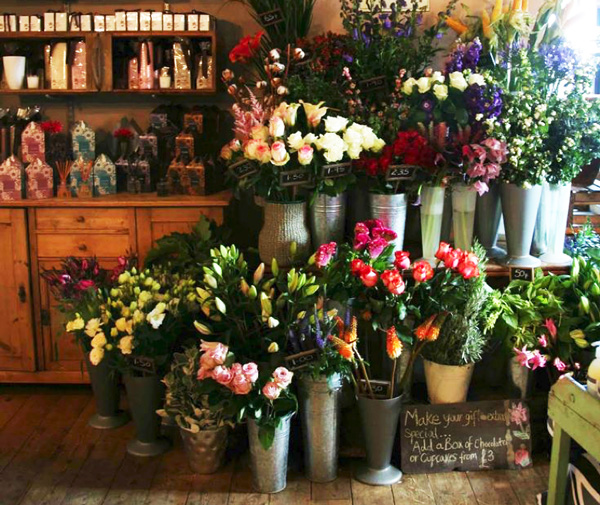
And as she began to go with Miss Pym from jar to jar, choosing, nonsense, nonsense, she said to herself, more and more gently, as if this beauty, this scent, this colour, and Miss Pym liking her, trusting her, were a wave which she let flow over her and surmount that hatred, that monster, surmount it all; and it lifted her up and up when — oh! a pistol shot in the street outside!
Imagine the amount of work involved in bringing together all those blooms. All that life, color, and beauty, in one place, promising the balm which will "surmount that hatred, that monster" but it is all ruined by one pistol shot, which turns out to be nothing but a motor car anyway. The monumental effort required in procuring the solution for our distress is so effortlessly dissolved by the flick of the world's tail, the inadvertent functioning of a world that encroaches on our peace and serenity. That's the impression I get from Mrs. Dalloway and Clarissa Vaughan, at least.
The last point. Yesterday during lunch my colleague, a man who came to the US in 2010 as a refugee from Rwanda, spoke about having been reprimanded for having asked someone's age. "We don't ask about age!" someone had hissed at him (he didn't say hissed, but I imagine that's what they did). He asked if there were some cultural sensitivity he was unaware of. I expressed my opinion that we are quite afraid of death in our culture - that mortality frightens us, that we like to pretend we are never going to die, so we do whatever we can to preserve and prolong our lives and appearances while we're alive, and we do whatever we can to ensure our legacy after we're gone, with large gravestones, monuments, published works, money for children, houses, philanthropy, names on public buildings... anything to preserve us for posterity. This, I said, is why we don't like to be reminded of or think about our progress toward the end of life. Asking someone's age forces them to recognize that they are not immortal.

The motor car with its blinds drawn and an air of inscrutable reserve proceeded towards Piccadilly, still gazed at, still ruffling the faces on both sides of the street with the same dark breath of veneration whether for Queen, Prince, or Prime Minister nobody knew. The face itself had been seen only once by three people for a few seconds. Even the sex was now in dispute. But there could be no doubt that greatness was seated within; greatness was passing, hidden, down Bond Street, removed only by a hand’s-breadth from ordinary people who might now, for the first and last time, be within speaking distance of the majesty of England, of the enduring symbol of the state which will be known to curious antiquaries, sifting the ruins of time, when London is a grass-grown path and all those hurrying along the pavement this Wednesday morning are but bones with a few wedding rings mixed up in their dust and the gold stoppings of innumerable decayed teeth. The face in the motor car will then be known.
This Wednesday morning is bound to end in nothing but "bones with a few wedding rings mixed up in their dust" - a most exquisitely doleful image - except the worthy and divinely inspired beings within the motorcade - their faces alone of those on the street will be known to "curious antiquaries". It seems to me that Woolf is different from Austen in that she points out the follies of human nature without separating herself from them. Austen seems to point from at least a meter away, and Woolf points as much at herself and her own participation in the absurdities of human thought and error, as at others.
Imagine the amount of work involved in bringing together all those blooms. All that life, color, and beauty, in one place, promising the balm which will "surmount that hatred, that monster" but it is all ruined by one pistol shot, which turns out to be nothing but a motor car anyway. The monumental effort required in procuring the solution for our distress is so effortlessly dissolved by the flick of the world's tail, the inadvertent functioning of a world that encroaches on our peace and serenity. That's the impression I get from Mrs. Dalloway and Clarissa Vaughan, at least.
The last point. Yesterday during lunch my colleague, a man who came to the US in 2010 as a refugee from Rwanda, spoke about having been reprimanded for having asked someone's age. "We don't ask about age!" someone had hissed at him (he didn't say hissed, but I imagine that's what they did). He asked if there were some cultural sensitivity he was unaware of. I expressed my opinion that we are quite afraid of death in our culture - that mortality frightens us, that we like to pretend we are never going to die, so we do whatever we can to preserve and prolong our lives and appearances while we're alive, and we do whatever we can to ensure our legacy after we're gone, with large gravestones, monuments, published works, money for children, houses, philanthropy, names on public buildings... anything to preserve us for posterity. This, I said, is why we don't like to be reminded of or think about our progress toward the end of life. Asking someone's age forces them to recognize that they are not immortal.
The passage from Mrs. Dalloway which connects with yesterday's exchange at lunch is this one, in which some high ranking official or member of the royal family is passing through the street. The description of the motorcade's effect on the passersby is lengthy and elaborate, but this part addresses the idea of legacy and mortality, I think:
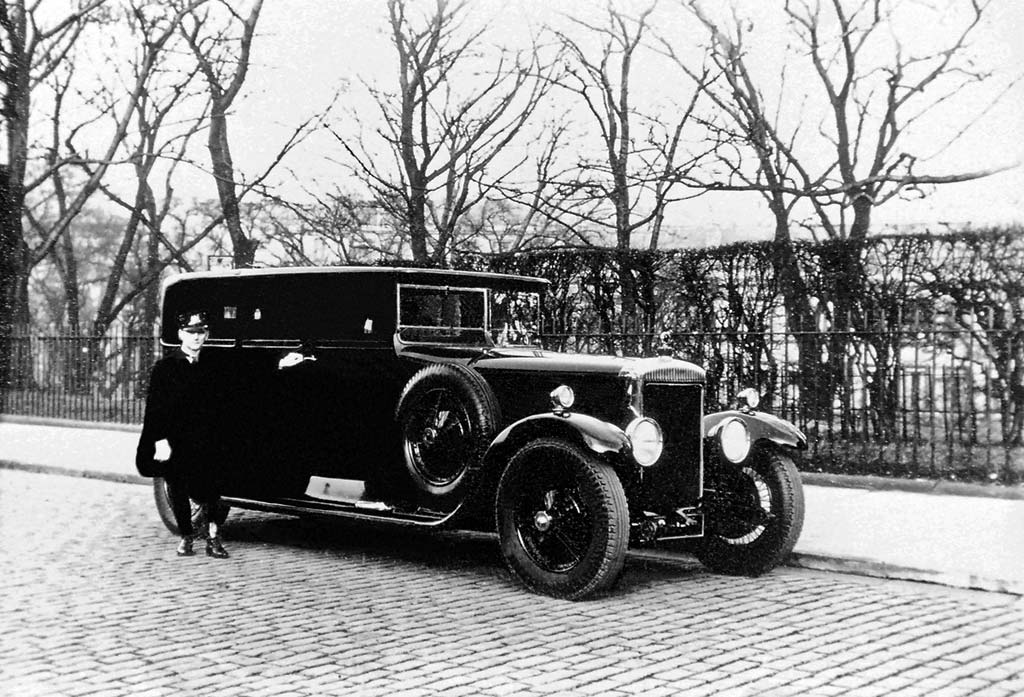
This Wednesday morning is bound to end in nothing but "bones with a few wedding rings mixed up in their dust" - a most exquisitely doleful image - except the worthy and divinely inspired beings within the motorcade - their faces alone of those on the street will be known to "curious antiquaries". It seems to me that Woolf is different from Austen in that she points out the follies of human nature without separating herself from them. Austen seems to point from at least a meter away, and Woolf points as much at herself and her own participation in the absurdities of human thought and error, as at others.


No comments:
Post a Comment